

Irradiation Services
What is Gamma Irradiation
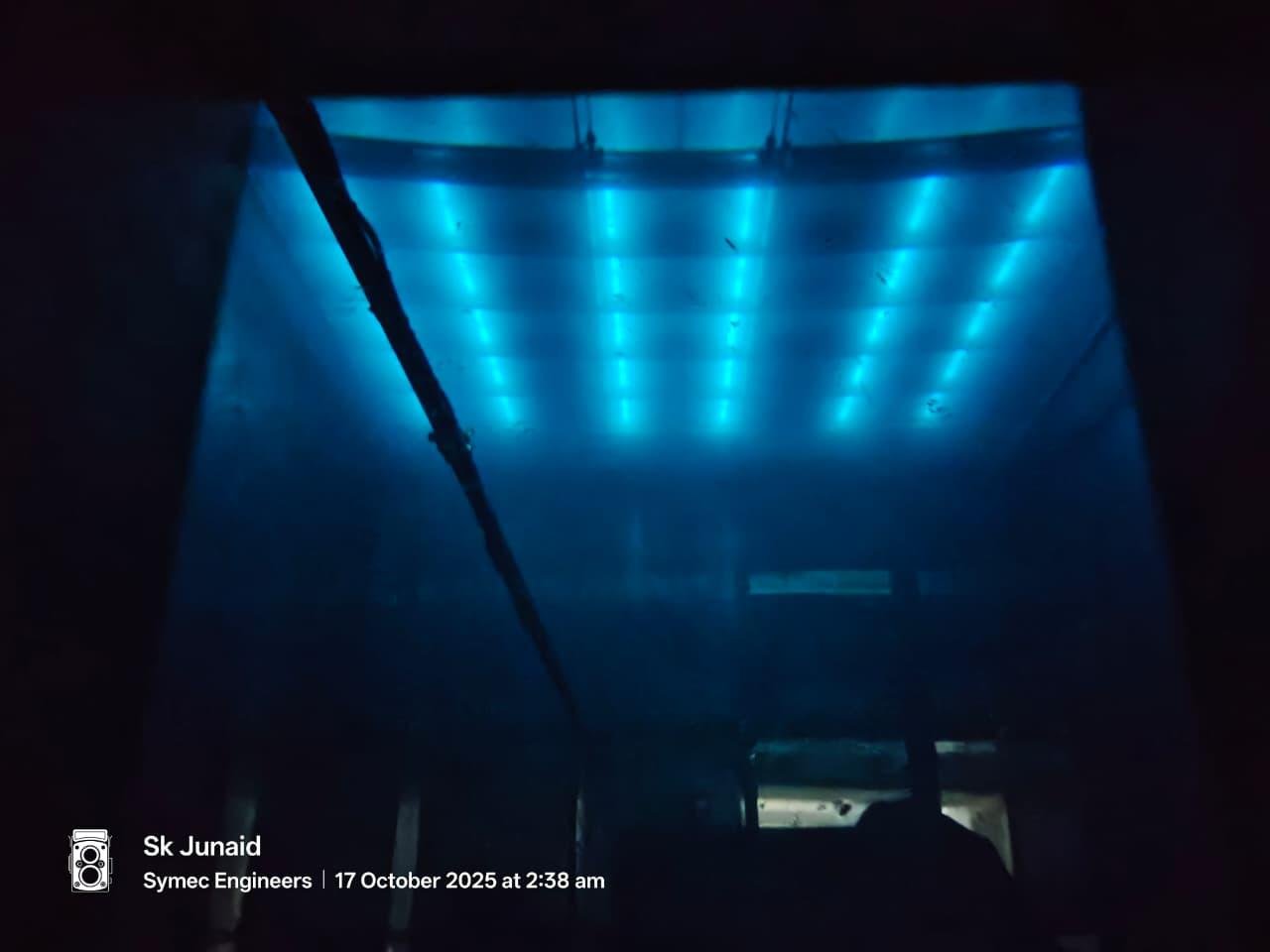
Gamma irradiation is a proven process that exposes products to high-energy photons from isotopes (Cobalt-60) in a controlled manner. It eliminates pathogens, insects, bacteria, and other harmful organisms — without raising product temperature or compromising quality.
Advantages of Gamma Irradiation

Wide range of products treated in a single plant

High throughput capacity up to 16 MT/hr

Cold and clean process (no temperature rise)

Post-packaging treatment (no repacking required)

Globally recognized and regulatory-compliant
FAQs
-
Radiation processing of food involves the controlled application of energy from ionizing radiations such as gamma rays, electrons and X-rays for food preservation.
-
Radiation processing of food is carried out inside a radiation shielded chamber. Food either pre packed or in-bulk placed in suitable containers is sent into it with the help of an automatic conveyor.
-
The absorbed dose is determined by the residence time of the carrier or tote box in irradiation position. Absorbed dose is checked by placing dosimeters at various positions in a tote box or carrier.
-
Irradiation is a cold process and can be used to pasteurize and sterilize foods without causing changes in freshness and texture of food unlike heat.
-
Unlike chemical fumigants, irradiation does not leave any harmful toxic residues in food and is more effective. It is more ef icient and can be used to treat even pre-packed commodities.
-
No. The process is akin to baggage X-ray on the airports. The food itself never comes in contact with the radioactive material. Gamma rays, X-rays and electrons prescribed for radiation processing of food do not induce any radioactivity in foods
-
No. Extensive scientific studies have shown that irradiation has very little effect on the main nutrients such as proteins, carbohydrates, fats and minerals. Vitamins show varied sensitivity to food processing methods including irradiation. Very little change in vitamin content is observed in food exposed to low doses.
-
No. Results of extensive research have shown that almost all packaging materials currently used in food industry are suitable for irradiation. Many packaging materials including laminated plastic films with aluminium foil used for packaging of foods are routinely sterilized by irradiation
-
Radiation processed food cannot be recognized by sight, smell, taste or touch. As per Food Safety Standards (Food Product Packaging and Labelling) Regulations, 2011, the irradiated products need to be labelled and can be identified with the 'Radura' logo.